BENNH (GEMEENTE AMSTERDAM)
- Wat we deden
- AI decision support for better care referrals.
- Type
- Consulting & Projects for BENNH (Gemeente Amsterdam)
- Sector
- Healthcare / social services
People seeking mental health support in the Netherlands often start with their GP, who may refer to specialists (e.g. for EMDR). Long waiting times and lack of up-to-date information on regional specialist availability make referrals difficult. The Municipality of Amsterdam asked us for support.
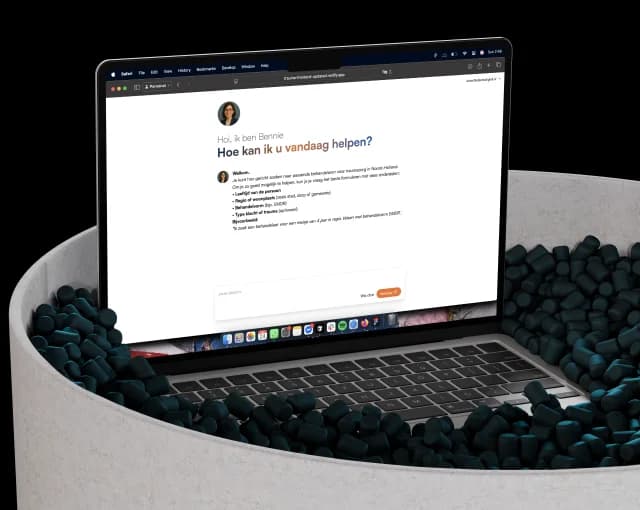
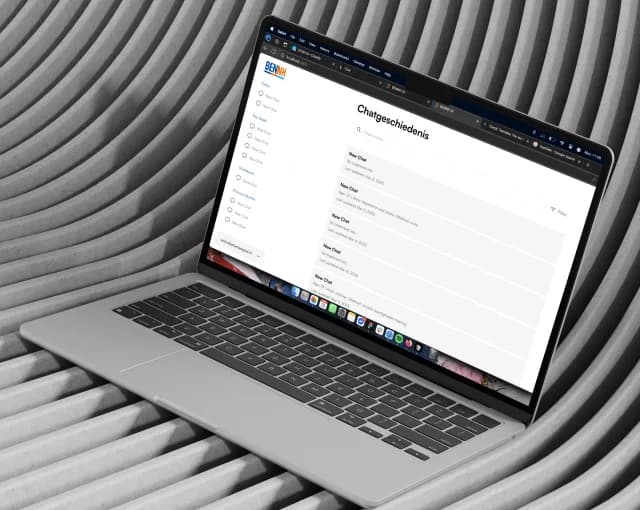
We developed BENNH Assistent: a chat interface powered by a Large Language Model. GPs describe patient needs and receive suggestions for suitable specialists based on current availability. The assistant uses regional capacity, specialist profiles and patient requirements to match need with availability—enabling faster referrals and reduced administrative pressure.
Finding suitable trauma care providers is complex and time-consuming. Patients face long waiting times; many GPs lack up-to-date information on regional specialist availability.
AI assistant (BENNH Assistent) that guides referrers based on structured criteria: chat interface powered by an LLM, using datasets on regional capacity, specialist profiles and patient requirements to suggest suitable specialists with current availability.

Faster referrals, reduced administrative pressure, better matching of patients to care.
In healthcare, trust and clarity matter as much as accuracy. A chat interface that guides referrers with up-to-date capacity and specialist profiles reduces friction. Combining LLMs with structured data (availability, criteria) keeps recommendations actionable and auditable.
DESIGN & DEVELOPMENT
AI decision support for better care referrals
IMPACT
With BENNH Assistent, GPs can identify appropriate specialists faster and reduce unnecessary delays for patients.
TECHNOLOGY
Built in React with the OpenAI API for natural language processing. Hosted on AWS with a PostgreSQL database. User-friendly design focused on giving GPs the information they need to make the best decisions for their patients.
Bekijk meer werk
Andere AI-oplossingen die we hebben geleverd.